
Hello, friends! I am so thrilled you’re here. If you’ve been scrolling through Pinterest or Instagram and feeling that itch to start your first quilt, but you’re staring at your old kitchen table wondering where on earth to begin, this guide is for you!
Choosing your first sewing machine can feel a lot like trying to pick a favorite fabric at a quilt show. There are just so many options, and they all look so pretty! But before you get overwhelmed by the bells, whistles, and technical jargon, take a deep breath. We’re going to break it down together, neighbor-to-neighbor, so you can find the perfect partner for your creative journey.
At The Crafty Author, my goal is to remove the overwhelm. I’ve spent over 30 years at the sewing machine, and I can tell you one thing for sure: the right tools don't just make the job faster; they make it a whole lot more fun!
The "Overwhelm" Factor: Why It’s Okay to Be Picky
Let’s be real for a second. When you search for "sewing machine for beginners," you get hit with everything from $99 plastic wonders to machines that cost more than a used car. It’s enough to make you want to stick to hand-sewing (and we love hand-sewing, but your fingers deserve a break!).
The truth is, not all sewing machines are created equal, especially when it comes to quilting. Quilting involves thick layers, long straight lines, and sometimes a bit of "wrestling" with a large blanket. You need a machine that isn't going to throw a tantrum the moment you try to sew through a seam.
Throat Space: Why Size Really Does Matter
In the quilting world, we talk about "throat space" a lot. No, it’s not a medical condition! It’s the distance between the needle and the body of the machine.
When you’re making a strip quilt or a large throw, you have to roll up that fabric and fit it through that space. If the throat space is too small, it feels like trying to stuff a sleeping bag into a toaster. Not fun!
For 2026, look for a machine with at least 8 to 10 inches of throat space. It gives you room to breathe: and room to quilt!
Power and Speed: The "Vroom Vroom" of Quilting
Have you ever tried to sew over a spot where four or five seams meet, and your machine just… stops? Or worse, it makes that horrible "grinding" noise that sounds like it’s eating your fabric?
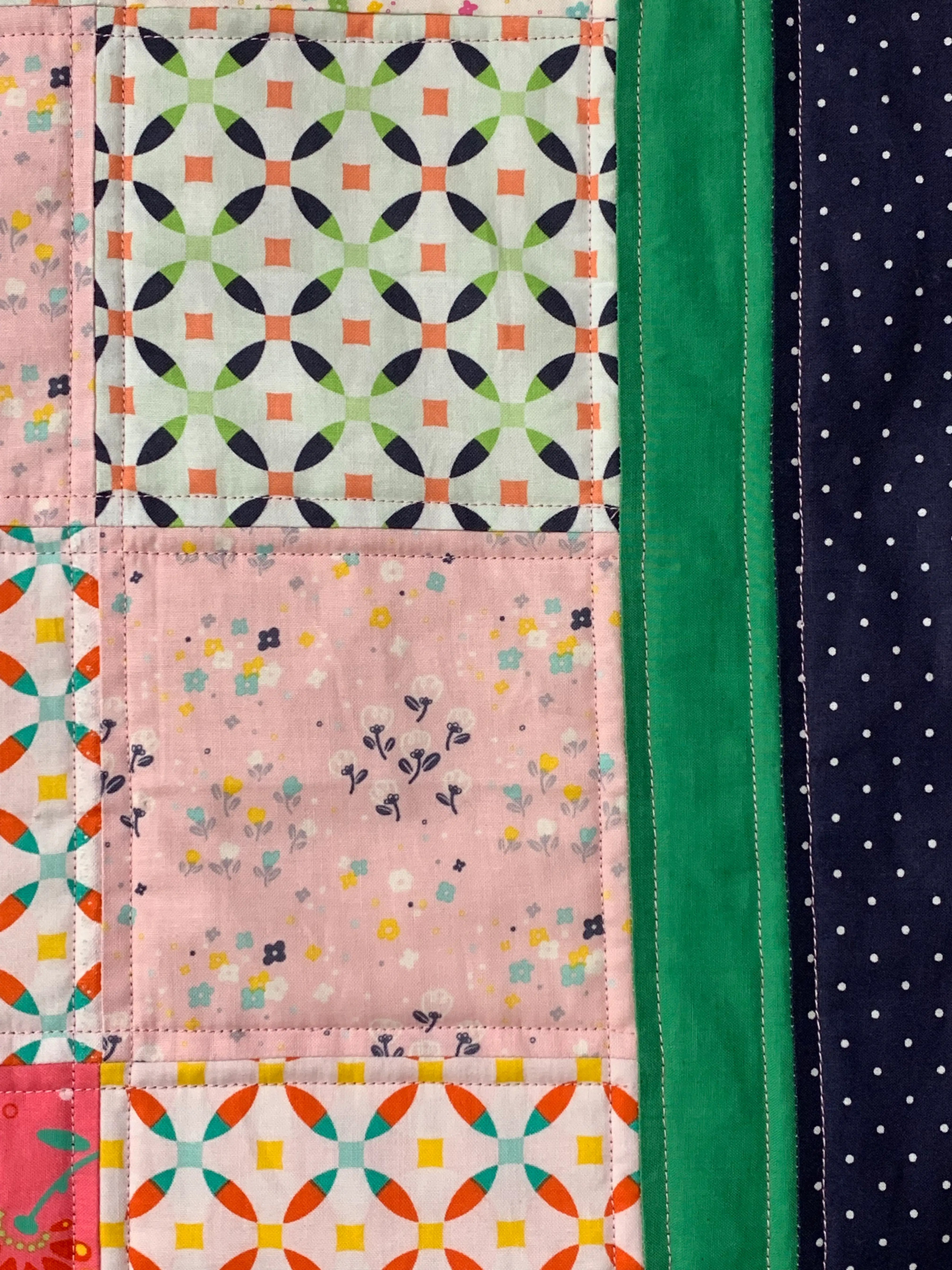
Quilting requires a motor with some backbone. You want a machine that can handle "the sandwich": the quilt top, the batting, and the backing: without breaking a needle. Look for machines marketed as "heavy duty" or those with a higher stitch-per-minute count (1,000+ is the sweet spot for many).
The "Brain" of the Machine: Screens and Stitches
We live in a digital world, and sewing machines have caught up! Many modern machines come with beautiful LCD touchscreens.
Are they necessary? No. Are they amazing? Absolutely.
Having a screen that shows you exactly which stitch you’ve selected, what presser foot you should be using, and even how much bobbin thread you have left is a game-changer for beginners. It takes the guesswork out of the process so you can focus on being creative.
Why I Adore My Brother Dream Machine
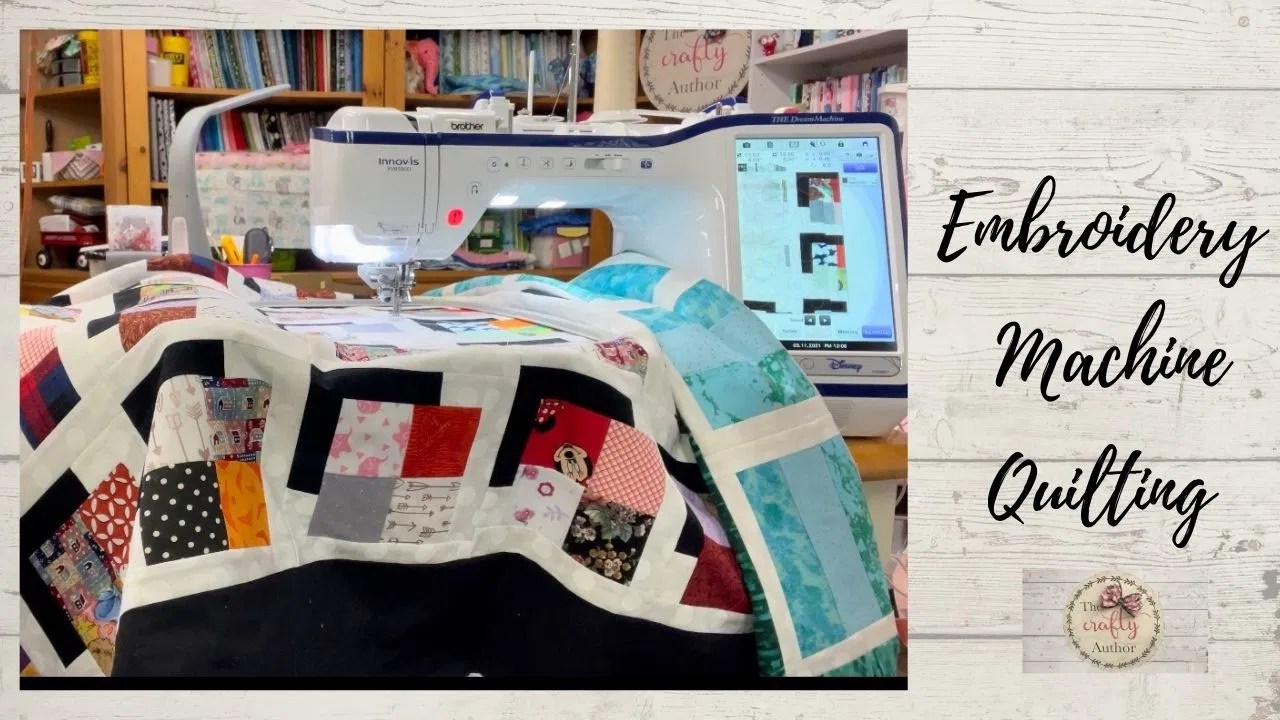
If you’ve seen photos of my studio, you’ve probably noticed my absolute favorite tool: my Brother Dream Machine.
Now, I know what you’re thinking: "Anisa, that looks like a spaceship!" And honestly, sometimes it feels like one. But here’s why I love it: it makes my life easier. Whether I’m working on a quilt-as-you-go table runner, stitching on the original quilt I’ve shared before, or tackling a complex embroidery project, it just works.
It has an incredible workspace, a screen that’s bigger than my first television, and it handles thick layers like a total champ. In my studio, I love seeing that beautiful original quilt right there in the space with the Dream Machine because it tells the whole story: a capable machine, a cozy quilting room, and a real handmade blanket coming to life. While it might be an investment, it’s a perfect example of how the right technology can support your growth as a maker. Plus, it looks pretty sitting in my studio, and let's be honest, that matters too!
Essential Features for Your 2026 Checklist
If you’re shopping around, keep these "must-haves" in mind:
- Automatic Needle Threader: Save your eyes! This is a non-negotiable in my book.
- Drop Feed Dogs: Essential for free-motion quilting (that’s when you "draw" with your stitches).
- Extension Table: This gives you extra surface area to support your quilt while you sew.
- Speed Control: A slider that lets you set a maximum speed. This is perfect for beginners who are still getting the hang of the foot pedal!
Beginner Success Tips: Beyond the Machine
Once you have your machine, remember that it's only half the battle. To keep things stress-free, keep these tips in your back pocket:
- Use Quality Thread: Cheap thread produces lint, and lint is the enemy of a happy machine.
- Change Your Needles: A dull needle is the number one cause of skipped stitches. Change it after every big project!
- Start Small: Don't try to make a king-sized quilt on day one. Try a baby quilt or a small wall hanging first.
"The best machine isn't the most expensive one; it's the one that makes you want to sit down and create every single day."
Are You Ready to Start Your Journey?
Choosing a machine is the first step toward a lifetime of handmade joy. Don't let the technical specs scare you away from the magic of quilting! Whether you choose a sturdy entry-level model or go all-in on a machine like the Brother Dream Machine, the most important thing is that you start.
Are you joining the madness? I can’t wait to see what you create in your own little corner of the world. Remember, we’re all beginners at some point, and I’m right here to help you every step of the way.
Shop Our Partners
Ready to find your perfect machine? Click the images below to shop our favorite tools and machines through our trusted partners!

Happy stitching, my friends!
Warmly,
Anisa 🧵✨